tittle.. Expert Professional Driver: Skills, Safety & Career Guide
Introduction
Every day, millions of people rely on someone else to get them, their goods, or their families safely from one place to another. Behind the wheel of every reliable taxi, delivery van, executive sedan, school bus, and long-haul truck is a person whose skill quietly keeps the world moving. The best of them are not just people who hold a driving licence. They are a professional driver: someone who combines technical skill, sound judgment, and a strong service mindset.
This guide explains what separates a professional driver from an average driver, which skills and habits matter most, how you can become one, and what to look for when hiring one.
What Is a Professional
An expert professional driver is someone who drives as a full-time occupation and performs at a consistently high standard. That standard goes well beyond passing a driving test. It includes:
- Safe, predictable driving in all conditions
- Deep knowledge of the vehicle and its limits
- Efficient route planning and time management
- Professional conduct with passengers, clients, and colleagues
- Compliance with traffic laws, licensing rules, and industry regulations
- Reliability, meaning they show up on time, every time
Anyone can drive a car. An expert professional driver treats driving as a craft, and like any craft, it is built on training, discipline, and years of refinement.
Why Expert Professional Drivers Matter
Transportation is the backbone of the economy. Food reaches shelves, patients reach hospitals, business travelers reach meetings, and children reach school because someone is driving. When that driver is skilled, the benefits are wide-ranging:
- Fewer accidents and injuries. Skilled drivers anticipate hazards rather than react to them.
- Lower operating costs. Smooth driving reduces fuel consumption, tire wear, and repair bills.
- Better customer experience. Punctual, courteous service builds trust and repeat business.
- Stronger brand reputation. For companies, the driver is often the only human face a customer meets.
For these reasons, businesses of every size are actively looking for an expert professional driver, and skilled drivers are in demand.
Core Skills of an Expert Professional Driver
1. Mastery of Defensive Driving
Defensive driving is the foundation of professional driving. It means assuming that other road users might make mistakes and positioning yourself to avoid trouble when they do. An expert professional driver:
- Keeps a safe following distance, usually increased in rain, fog, or heavy traffic
- Scans the road far ahead, not just at the car in front
- Checks mirrors constantly and knows what is beside and behind the vehicle
- Leaves an “escape route” whenever possible
- Stays calm around aggressive or distracted drivers
- Adjusts speed to conditions rather than only to the posted limit
Defensive driving is a mindset. The expert always asks, “What could go wrong here, and what will I do if it does?”
2. Vehicle Knowledge and Basic Maintenance
A professional driver knows their vehicle inside and out. That does not mean being a full mechanic, but it does mean:
- Performing a pre-trip inspection covering tires, lights, brakes, mirrors, fluids, and warning indicators
- Recognizing unusual sounds, vibrations, or smells early
- Understanding the vehicle’s size, turning radius, braking distance, and load behavior
- Reporting defects promptly instead of hoping they resolve themselves
- Keeping the interior and exterior clean and presentable
Catching a small problem early can prevent a breakdown, an accident, or an expensive repair.
3. Route Planning and Navigation
Modern GPS tools are excellent, but an expert professional driver does not follow them blindly. They combine technology with local knowledge and common sense. This includes:
- Checking traffic, weather, and road closures before departure
- Choosing routes based on safety and reliability, not only distance
- Knowing alternative routes for peak hours
- Planning fuel stops, rest breaks, and loading or unloading points
- Allowing realistic buffers so schedules do not depend on perfect conditions
Good route planning saves time, reduces stress, and keeps passengers or cargo on schedule.
4. Time Management and Punctuality
In this profession, being late is often the same as failing. Whether the job is an airport pickup, a scheduled delivery, or a school run, punctuality is a core part of the promise. Experts arrive early, communicate proactively if a delay is unavoidable, and manage their day so one hiccup does not cascade into many.
5. Communication and Customer Service
Many drivers work directly with people, and the quality of that interaction shapes the whole experience. An expert professional driver:
- Greets passengers politely and clearly
- Respects privacy, especially with executive or VIP clients
- Reads the situation: some passengers want conversation, others want quiet
- Handles complaints or difficult behavior calmly
- Communicates clearly with dispatchers, managers, and clients
Discretion and courtesy are often as valued as driving ability itself.
6. Composure Under Pressure
Traffic jams, bad weather, tight deadlines, difficult passengers, and unexpected detours are part of the job. What separates an expert from the rest is emotional control. They do not let frustration turn into road rage, rushed decisions, or risky shortcuts. Staying calm is a safety skill.
The Safety Habits That Define an Expert Professional Driver
Skill matters, but consistency matters more. The habits below are practiced on every single trip, not only when someone is watching.
Always wear a seat belt and ensure passengers do the same. It sounds obvious, but professionals model the behavior they expect.
Never drive distracted. Phones, screens, food, and unnecessary conversation take attention away from the road. Experts set up navigation and music before moving and keep phones out of reach.
Never drive impaired or excessively tired. Alcohol, drugs, some medications, and fatigue all degrade reaction time and judgment. A responsible driver takes this seriously and speaks up if they are not fit to drive.
Respect speed limits and road rules. An expert professional driver knows that arriving safely is always more important than arriving five minutes sooner.
Adapt to weather. Rain, ice, wind, and fog change stopping distances and vehicle handling. Professionals slow down, increase spacing, and use lights appropriately.
Secure loads and passengers. For delivery and freight drivers especially, proper load securing prevents shifting cargo and accidents.
Managing Fatigue and Health on the Road
Driving is physically and mentally demanding, and many professional drivers spend long hours seated in one position. Long-term success depends on looking after yourself. Experts typically:
- Schedule regular breaks to stretch and walk
- Stay hydrated and choose balanced meals over heavy, greasy food
- Get enough sleep before long shifts
- Recognize early signs of drowsiness, such as heavy eyelids, missed exits, and drifting in lane, and stop to rest
- Maintain good posture and use proper seat and mirror adjustment to prevent back and neck strain
- Schedule regular medical and eyesight checkups
Fatigue is one of the most underestimated risks in professional driving. Knowing your limits is a sign of expertise, not weakness.
Types of Expert Professional Drivers
The phrase “professional driver” covers many roles, each with its own demands.
Chauffeurs and Executive Drivers
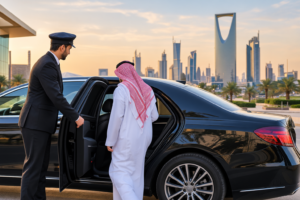
These drivers serve corporate clients, VIPs, and private individuals. Presentation, discretion, and smooth, comfortable driving are essential. They often double as trusted logistics coordinators.
Truck and Long-Haul Drivers
Long-haul drivers move freight across cities, states, or countries. They need strong endurance, knowledge of hours-of-service and rest regulations, cargo-handling skills, and the ability to manage long stretches away from home.
Delivery and Courier Drivers
Delivery drivers balance speed with safety and customer service. Efficient routing, careful package handling, and clear communication with recipients define the best in this field.
Bus and Coach Drivers
Whether transporting commuters, tourists, or students, bus drivers carry a high level of responsibility for many people at once. Patience, situational awareness, and passenger management are crucial.
Taxi and Ride-Hailing Drivers
These drivers rely on local knowledge, friendliness, and safe driving to earn repeat riders and strong ratings.
Specialized Drivers
Ambulance drivers, armored vehicle drivers, tanker drivers, and emergency responders operate under specialized rules and training. Their work demands the highest levels of skill and composure.
How to Become an Expert Professional Driver
Becoming an expert professional driver is a journey. Here is a practical path.
Step 1: Get the Right Licence
Requirements vary by country and vehicle type. Start with a full, valid driving licence and check whether your target role needs a commercial, heavy vehicle, passenger transport, or chauffeur licence. Meet any age, medical, and background check requirements.
Step 2: Build Real-World Experience
Experience is the best teacher. Begin with roles that match your current skill level, such as local deliveries or standard passenger transport, and gradually work toward more demanding positions.
Step 3: Take Advanced Driver Training
Formal courses in defensive driving, advanced vehicle control, first aid, or eco-driving improve both skill and employability. Many employers value these certificates and some require them.
Step 4: Learn Your Territory
Study the roads, landmarks, and traffic patterns of your working area. Deep local knowledge is a competitive advantage and reduces reliance on technology.
Step 5: Develop Soft Skills
Practice clear communication, courtesy, patience, and problem-solving. These skills often decide who gets promoted or retained by high-value clients.
Step 6: Keep a Clean Record
A clean driving history is one of your most valuable assets. Avoid violations, keep accurate logs and paperwork, and maintain a reputation for honesty.
Step 7: Never Stop Learning
Traffic laws change, vehicles evolve, and new technologies emerge. The expert professional driver treats learning as a permanent part of the job.
Technology and the Modern Professional Driver
Today’s professional drivers work alongside impressive tools:
- GPS and live traffic apps for efficient routing
- Telematics systems that track speed, braking, and fuel use
- Dash cameras that improve safety and provide evidence in disputes
- Driver assistance systems such as lane-keeping, collision warnings, and adaptive cruise control
- Dispatch and scheduling apps for real-time communication
Experts use these tools to enhance their driving, not replace their judgment. They know how the systems work, understand their limitations, and stay in control at all times.
Career Growth for the Expert Professional Driver
A skilled driver has more career options than many people realize. Common paths include:
- Senior or lead driver positions with higher responsibility
- Fleet supervisor or dispatcher roles, using road experience to manage others
- Driver trainer or assessor, teaching new drivers
- Safety officer or compliance specialist
- Independent operator, running your own chauffeur, courier, or trucking business
- Specialist roles in executive protection, emergency services, or hazardous goods transport
Reputation is the biggest driver of income growth. Reliable, professional drivers earn trust, repeat clients, and better opportunities over time.
How to Hire an Expert Professional Driver
If you are an employer, family, or business owner looking for a top-tier driver, here is what to check:
- Driving record. Ask for a driving history and check for serious violations.
- Experience. Look for relevant experience in the same type of work.
- References. Speak with previous employers or clients about reliability and conduct.
- Practical test. Ride along or arrange a road assessment to see their real-world skills.
- Attitude and professionalism. Notice punctuality, presentation, and communication during the interview.
- Health and fitness. Confirm the driver meets any medical requirements for the role.
Investing time in careful hiring protects your passengers, your cargo, and your reputation.
Common Mistakes That Hold Drivers Back
Even experienced drivers can fall into habits that limit their growth. Watch for these:
- Complacency. After years of driving, it is easy to stop paying full attention.
- Cutting corners on inspections. Skipping pre-trip checks is a shortcut that can become costly.
- Ignoring fatigue. Pushing through tiredness is dangerous and never worth it.
- Poor communication. Failing to update clients or dispatchers erodes trust.
- Neglecting personal appearance and vehicle cleanliness. First impressions matter in service roles.
- Resisting new training or technology. Drivers who adapt tend to advance.
Recognizing and correcting these habits is part of what makes a driver truly expert.
Frequently Asked Questions
What makes someone an expert professional driver?
An expert professional driver combines safe, defensive driving with vehicle knowledge, efficient route planning, punctuality, and excellent customer service. They are consistent, calm under pressure, and committed to continuous improvement.
How long does it take to become an expert professional driver?
There is no fixed timeline. Many drivers need several years of consistent experience, plus additional training, to reach an expert level. Skill grows with practice, feedback, and a commitment to learning.
Do professional drivers need special training?
It depends on the role and location. Commercial, passenger transport, and heavy vehicle roles often require specific and certifications. Even where they are not required, advanced driver training is highly valuable.
What is the most important skill for a professional driver?
Most experts point to defensive driving and situational awareness. Without safe driving, no other skill matters. Communication and reliability follow closely behind.
Is professional driving a good career?
For many people, yes. It offers steady demand, flexible options, opportunities to specialize, and paths toward supervision, training, or business ownership. Like any career, it has challenges, such as long hours and time away from home, so it suits people who enjoy independence and responsibility.
How can drivers stay safe on long trips?
Plan rest breaks, get adequate sleep, stay hydrated, avoid distractions, check the vehicle before departure, and stop immediately if you feel drowsy.
Conclusion
The expert professional driver is far more than someone who turns a steering wheel. They are a safety-conscious professional, a problem solver, a customer-service ambassador, and a keeper of schedules and promises. They protect lives, deliver value, and represent the businesses they work for every mile they travel.
If you want to become an expert professional driver, focus on the fundamentals: defensive driving, vehicle care, route planning, communication, and personal wellbeing. Add continuous training, and keep a spotless reputation. If you are hiring one, look beyond a and evaluate experience, attitude, and proven reliability.
Whichever side you are on, one truth holds: when an expert professional driver is at the wheel, everyone on the road is safer, and every journey is better.